

There’s something really satisfying about seeing progress show up in real numbers.
Over the past few months, I’ve been making small, intentional shifts in how I eat and how I move—nothing drastic, nothing extreme—and my latest labs reflect that.
The Update
My cholesterol numbers have improved across the board:
- Total cholesterol: down
- LDL (the “watch this” number): down
- Non-HDL: down
- HDL (the good stuff): still high (yay!)
- Triglycerides: still low (double yay!)
- Ratio: improved
This is exactly the kind of progress I want to see—not perfection, just movement in the right direction.

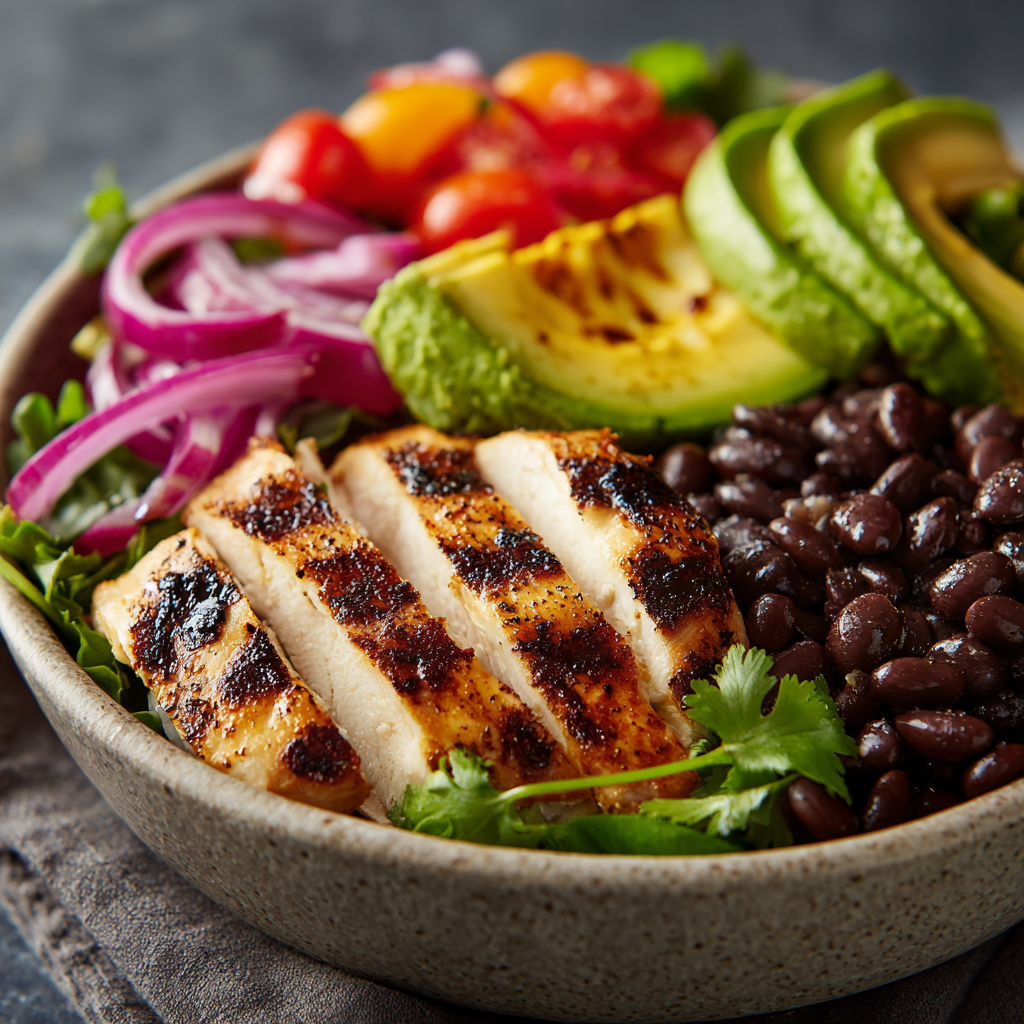
What Helped Me Lower My Cholesterol Naturally (Food + Movement)
Honestly? Nothing fancy.
I’ve been:
- Eating more chicken and fish, less beef and pork
- Adding beans for fiber and staying power
- Paying attention to how meals make me feel (energy, mood, fullness)
- Eating more intentionally (slowing down, noticing when I’m full)
- Moving more – walking, staying active, and getting back into a rhythm
One of the biggest things I noticed:
- Lighter meals left me snacky and a little grumpy
- Balanced meals (protein + fiber + fats) kept me steady and satisfied
And just as important:
- More movement = better energy, better mood, and better results
That combination has been huge.
Why My Weight Plateaued (and what I’m adjusting)
I’ve been hovering around 157 lbs.
Which, to be fair, is not a bad place—but it’s also not moving.
And instead of blaming one thing (like a Chai or cocktail), I’m realizing it’s more about overall balance:
- A little less mindfulness.
- A few more “extras.”
- And maybe it’s time to increase my movement.
What Happened After Travel (Weight, Walking, and Real-Life Balance)
I recently got back from Vegas – and yes, I fully enjoyed it.
- More food
- More indulgence
- A little less structure
I came back about 4 pounds up… but also with something interesting:
👉 Noticeably more muscle in my legs from all the walking
(we’re talking ~18,000 steps a day—about 3x my normal)
So while the scale whent up, it wasn’t the full story.
Now, just getting back into my normal rhythm:
- I’m already back down to 159.1 lbs
- Eating cleaner again
- And still enjoying life (yes, even sourdough bread… my weakness 😄)
My Plan to Lower LDL and Break My Weight Plateau
No extremes. Just a reset.
1. Trim the Extras (Without Overcorrecting)
- Be more mindful of portions
- Keep treats intentional (not automatic)
2. Return to What Was Working
- Water in the morning
- Shake midday
- Solid, satisfying meals
- Light evening snack if needed
No reinventing the wheel—just getting back into rhythm.
3. Lean Into Fish, Beans, and Veggies
More:
- Grilled chicken and fish
- Veggies and beans
- Lighter, balanced meals
Less:
- Heavy red meats
- Overly rich meals
4. Keep Movement Consistent (This Is Key)
Vegas reminded me how powerful movement really is.
So now the goal is:
- Not 18,000 steps 😅
- But a consistent 9,000–10,000 steps per day
- More walking as the weather improves
- Possibly mixing in different workouts or weights
Because the truth is:
👉 I don’t think I could have improved my cholesterol or lost weight without movement being part of the equation.
Let the Seasons Help Me
Winter naturally leans toward:
- Soups
- Stews
- Heavier comfort foods
But spring and summer?
- Grilled proteins
- Fresh vegetables
- Big salads
- Lighter meals
Instead of fighting that shift, I’m leaning into it.
Hello, Grilling Season 🔥
I’m actually excited about this part.
There’s something about grilling that makes eating lighter feel easy, not restrictive.
Think:
- Simple grilled chicken with herbs
- Fish with lemon and olive oil
- Veggies with a little char and flavor
It’s satisfying, flavorful, and naturally aligned with my goals.
Can Weight Loss and Walking Improve Cholesterol?
Yes—both weight loss and regular movement (like walking) can significantly improve cholesterol levels.
Losing even a small amount of weight can help lower LDL (bad cholesterol) and raise HDL (good cholesterol).
Consistent movement, especially daily walking, supports heart health, improves metabolism, and plays a key role in long-term cholesterol improvement.
The Bigger Picture
What I’m doing isn’t about chasing perfect numbers.
It’s about:
- Feeling good in my body
- Having steady energy
- Supporting long-term health
- And still enjoying my life (yes, including Vegas 😉)
The fact that my labs improved while living a normal life?
That tells me I’m on the right track.
What’s Next
Over the next few months, I’m focusing on:
- Breaking past my current weight plateau
- Continuing to lower LDL
- Keeping movement consistent
- And sticking with habits that actually feel sustainable
No extremes.
No burnout.
Just steady, intentional progress.
Because honestly?
That’s where the real magic is. ✨
Money. Meals. Magic.
Where practical meets personal—and progress beats perfection, every time.
FAQs
Why is it important to lower your cholesterol?
Lowering your cholesterol is important because high levels—especially LDL (often called “bad” cholesterol)—can build up in your arteries and increase the risk of heart disease, stroke, and other cardiovascular issues. Improving your cholesterol levels supports better heart health, circulation, and long-term wellness. Even small improvements can make a meaningful difference over time.
What are the different types of cholesterol?
There are three main types of cholesterol to understand:
- LDL (Low-Density Lipoprotein): Often called “bad” cholesterol because high levels can lead to plaque buildup in arteries.
- HDL (High-Density Lipoprotein): Known as “good” cholesterol because it helps remove excess cholesterol from the bloodstream.
- Triglycerides: A type of fat in the blood that, when elevated, can also increase heart disease risk.
- A healthy balance between these is key—not just one number on its own.
How often should I check my cholesterol?
Most adults should check their cholesterol every 4–6 years, but if you have elevated levels, a family history of heart disease, or are actively working to improve your numbers, your doctor may recommend testing more frequently—often every 3–12 months. Regular testing helps you track progress and adjust your approach as needed.
Can cholesterol levels improve quickly?
Yes, cholesterol levels can begin to improve within a few weeks of making lifestyle changes, but meaningful and lasting changes typically take a few months. Improvements often come from consistent habits like better food choices, weight management, and increased physical activity. It’s less about quick fixes and more about steady, sustainable changes.
Are there specific foods that lower cholesterol?
Yes, certain foods are known to support healthier cholesterol levels, including:
- High-fiber foods like oats, beans, and lentils
- Healthy fats from avocados, olive oil, and nuts
- Fatty fish like salmon (rich in omega-3s)
- Fruits and vegetables, especially those high in soluble fiber
Focusing on whole, balanced meals—rather than extreme dieting—can make a big impact over time.
Is it possible to have “normal” cholesterol but still be at risk?
Yes, it is possible. Even if your cholesterol numbers fall within a “normal” range, other factors like inflammation, blood pressure, blood sugar, genetics, and lifestyle habits can still increase your risk of heart disease. That’s why it’s important to look at your overall health picture—not just one lab result.
more2heather@gmail.com | (206) 227-6128