
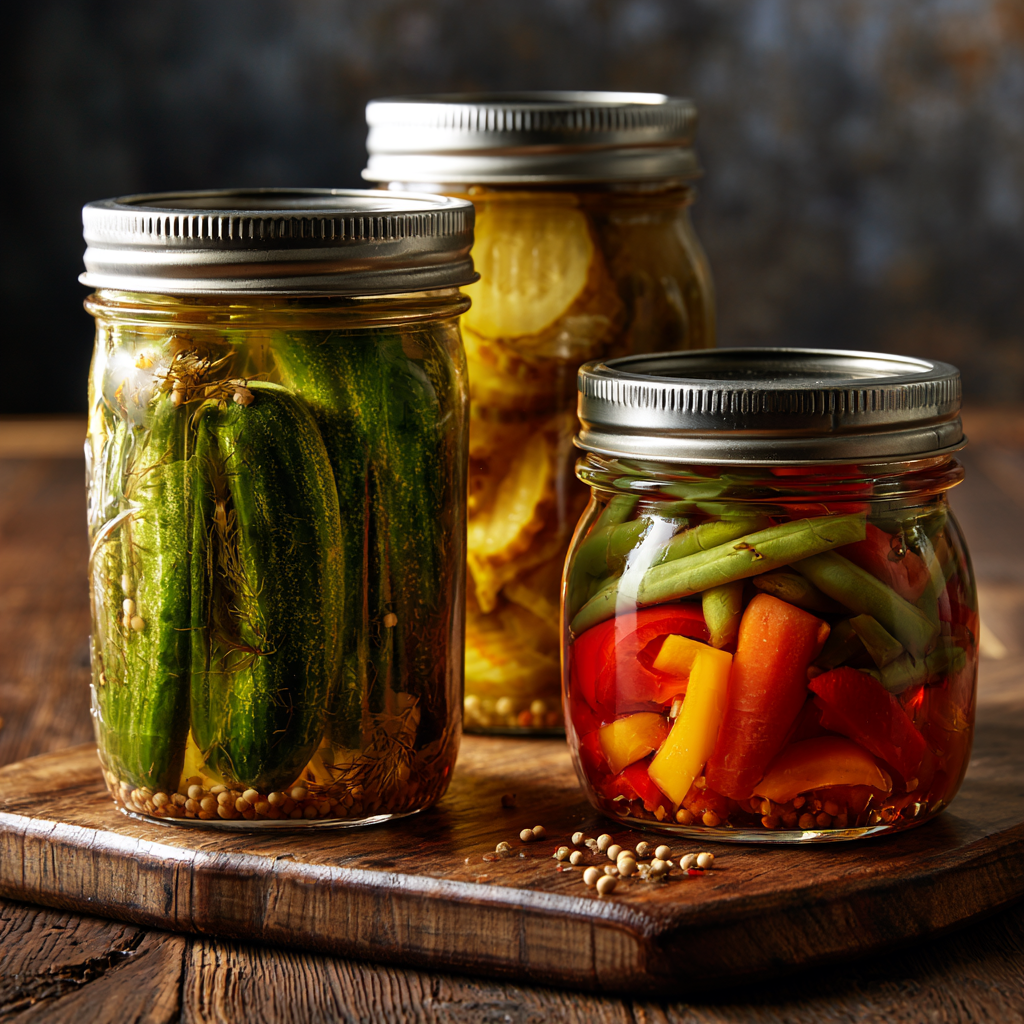
Everyone seems to have a favorite pickle.
Some people love a sharp, garlicky dill pickle. Some people hate dill entirely. Some want sweet bread and butter pickles on a sandwich. Some like pickled onions, carrots, radishes, or green beans. And some people just want a cold, crunchy cucumber pickle straight from the jar.
The good news? You do not have to commit to a huge batch, a canning project, or a pantry full of jars.
Small-batch refrigerator pickles are easy, flexible, and perfect when you just want a jar or two in the fridge. They are not shelf-stable canned pickles, so they stay refrigerated, but that is part of what makes them so approachable. You make a simple brine, pour it over fresh vegetables, chill, and snack.
This is the kind of kitchen project that feels a little magical for how simple it is.
What are refrigerator pickles?
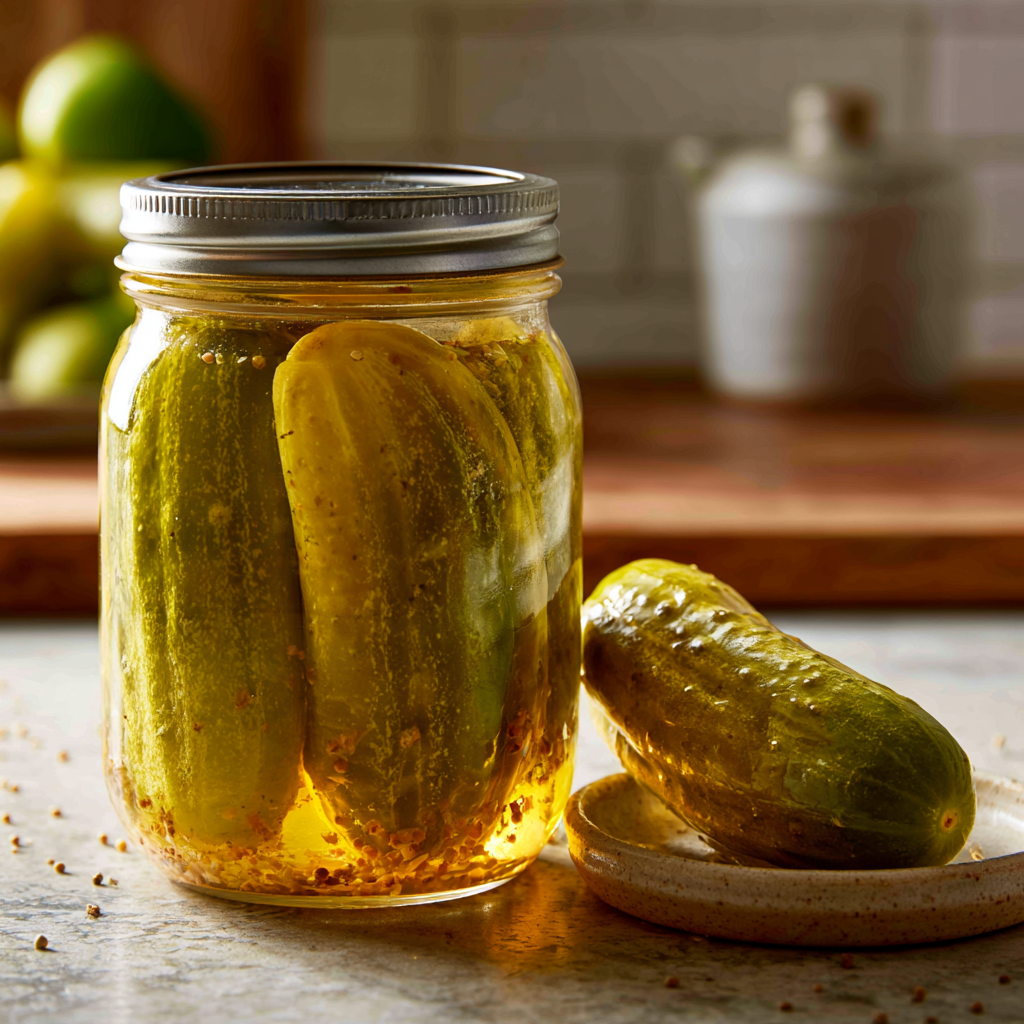
Refrigerator pickles are quick pickles that are stored in the fridge instead of processed for shelf-stable canning. They usually use vinegar, water, salt, sugar, spices, and fresh vegetables.
Because they are not canned, they need to stay refrigerated. Extension guidance varies a bit on storage time: Oregon State University Extension says refrigerator pickled cucumbers can be stored refrigerated and used within 3 months, while North Carolina State Extension recommends using quick refrigerator pickles within 2 weeks. For best flavor and crunch, I like thinking of them as a small-batch fridge snack to enjoy within a few weeks.
What are the best cucumbers for pickles?
The best cucumbers for pickling are usually small pickling cucumbers. They are shorter, firmer, and often have thinner skins than large slicing cucumbers.
Look for cucumbers labeled:
- pickling cucumbers
- Kirby cucumbers
- Persian cucumbers
- mini cucumbers
- small garden cucumbers
Michigan State University Extension recommends choosing fresh, firm, unwaxed cucumbers for pickling, and notes that pickling varieties generally work better than slicing varieties for the best quality pickle. Waxed cucumbers can keep the brine from penetrating properly. That said, because refrigerator pickles are casual and quick, you can still use what you have. If you have English cucumbers or regular slicing cucumbers, they can work, especially for quick pickle slices. They may just be softer and less “classic pickle crunchy.”
How to choose good produce for pickling
Pickling will not fix sad vegetables. Start with produce that already looks and feels good.
Choose vegetables that are:
- firm
- fresh
- brightly colored
- free from soft spots
- not shriveled
- not overly large or seedy
For cucumbers, smaller is usually better. Oversized cucumbers often have more seeds and a softer center. Alabama Cooperative Extension recommends using good-quality produce and notes that pickling-type cucumbers make better pickles; wax-coated cucumbers are not ideal.
For extra crunch, you can soak cucumbers in ice water before pickling. Michigan State University Extension notes that soaking cucumbers in ice water for 4 to 5 hours is a safe method for helping make crisp pickles.
For a simple refrigerator batch, even 30–60 minutes in ice water can help freshen them up.
Small-batch refrigerator pickle basics
For a medium jar or two, you do not need much.
You need:
- 2–3 cups sliced vegetables
- 1 cup vinegar
- 1 cup water
- salt
- sugar, depending on the style
- spices
- clean jars with lids
You can use:
- apple cider vinegar
- white vinegar
- rice vinegar
- white wine vinegar
For classic cucumber pickles, I usually like either apple cider vinegar or a mix of apple cider vinegar and white vinegar.
Recipe 1: Simple Small-Batch Dill Refrigerator Pickles
This is the classic version: garlicky, tangy, crunchy, and dill-forward.
Ingredients
- 2–3 cups sliced pickling cucumbers
- ½ cup white vinegar
- ½ cup apple cider vinegar
- 1 cup water
- 1 tablespoon kosher salt or pickling salt
- 1 teaspoon sugar, optional
- 2 garlic cloves, sliced
- 1 teaspoon mustard seeds
- ½ teaspoon black peppercorns
- 1–2 teaspoons dried dill or a few fresh dill sprigs
- Optional: pinch of red pepper flakes
Instructions
- Wash cucumbers well and slice into coins, spears, or sandwich slices.
- Pack cucumbers into one medium jar or two smaller jars.
- Add garlic, mustard seeds, peppercorns, dill, and red pepper flakes.
- In a small saucepan, combine vinegar, water, salt, and sugar.
- Warm until the salt and sugar dissolve.
- Pour brine over the cucumbers.
- Let cool slightly, then cover and refrigerate.
- Chill at least 24 hours before eating. They are even better after 2–3 days.
Notes
For stronger dill flavor, add more dill. For less dill, use only mustard seed, garlic, and peppercorns for a more general tangy pickle.r.
Recipe 2: Turmeric-Free Bread and Butter Refrigerator Pickles
Bread and butter pickles are sweet, tangy, and perfect for sandwiches, burgers, snack plates, and eating straight from the jar.
A lot of traditional bread and butter pickle recipes include turmeric for color and flavor, but you can absolutely make them without it. The real flavor comes from vinegar, sugar, onion, mustard seed, and celery seed.
Ingredients
- 3 cups thinly sliced cucumbers
- ½ small sweet onion, thinly sliced
- 1 tablespoon kosher salt
- ½ cup apple cider vinegar
- ½ cup white vinegar
- ½ cup sugar
- 1 teaspoon mustard seeds
- ½ teaspoon celery seed
- ¼ teaspoon ground ginger, optional
- Pinch of black pepper
- Optional: pinch of red pepper flakes
Instructions
- Place sliced cucumbers and onion in a bowl.
- Sprinkle with salt and toss.
- Let sit for 30–60 minutes.
- Rinse lightly and drain well.
- In a small saucepan, combine apple cider vinegar, white vinegar, sugar, mustard seeds, celery seed, ginger, black pepper, and red pepper flakes.
- Warm until the sugar dissolves.
- Pack cucumbers and onions into a clean jar.
- Pour warm brine over the top.
- Let cool, then refrigerate.
- Chill at least 4 hours, but overnight is better.
Notes
These are refrigerator pickles, not shelf-stable canned pickles. Keep them refrigerated.
For a less sweet version, reduce the sugar to ⅓ cup. For a sweeter snack pickle, keep the full ½ cup.
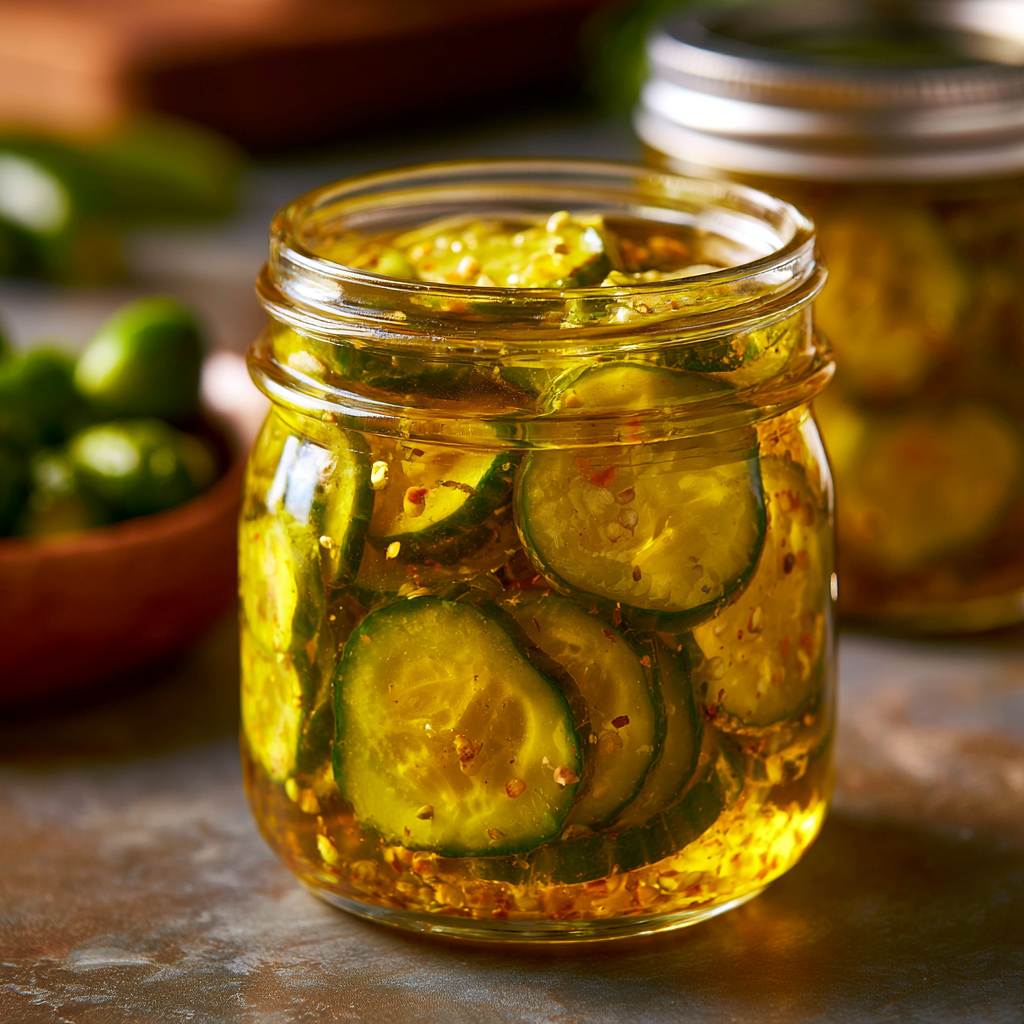
Recipe 3: Sweet Snack Pickle Chips
This one is for people who like sweet pickles but do not necessarily want the full bread-and-butter spice profile.
Ingredients
- 3 cups sliced cucumbers
- ½ cup apple cider vinegar
- ½ cup water
- ⅓ to ½ cup sugar
- 1 teaspoon kosher salt
- ½ teaspoon mustard seeds
- ¼ teaspoon celery seed, optional
- 1 small piece fresh ginger or ¼ teaspoon ground ginger, optional
Instructions
- Pack cucumber slices into a clean jar.
- Combine vinegar, water, sugar, salt, mustard seeds, celery seed, and ginger in a small saucepan.
- Warm until sugar and salt dissolve.
- Pour over cucumbers.
- Cool, cover, and refrigerate.
- Chill overnight before serving.
These are simple, sweet, tangy, and good for snacking.
Recipe 4: Quick Pickled Veggie Mix
This is the “I have extra vegetables” version.
Good vegetables for quick pickling
- carrots
- radishes
- red onion
- bell peppers
- green beans
- snap peas
- cauliflower florets
- cucumber slices
Ingredients
- 2–3 cups sliced vegetables
- ½ cup vinegar
- ½ cup water
- 1 tablespoon sugar or maple syrup
- 1 teaspoon kosher salt
- 1 garlic clove, optional
- ½ teaspoon mustard seeds or peppercorns
- Optional: red pepper flakes
Instructions
- Wash and slice vegetables.
- Pack into a clean jar.
- Add garlic, mustard seeds, peppercorns, or red pepper flakes.
- Warm vinegar, water, sugar, and salt until dissolved.
- Pour over vegetables.
- Cool, cover, and refrigerate.
- Let sit at least 30 minutes for thin vegetables, or overnight for firmer vegetables like carrots and green beans.
Flavor ideas for different pickle lovers
For dill lovers
Use:
- fresh dill
- garlic
- black peppercorns
- mustard seeds
- red pepper flakes
For sweet pickle lovers
Use:
- apple cider vinegar
- sugar
- sweet onion
- mustard seed
- celery seed
- ginger
For spicy pickle lovers
Add:
- jalapeño slices
- red pepper flakes
- chili peppers
- extra garlic
For no-dill pickle lovers
Skip the dill and try:
- garlic
- mustard seed
- celery seed
- black pepper
- onion
- ginger
- bay leaf
North Carolina State Extension notes that refrigerator pickles can be flavored with many herbs and spices, including garlic, dill, mustard seed, celery seed, peppercorns, chile peppers, oregano, shallot, and more.
Tips for better refrigerator pickles
Slice evenly
Thin slices pickle faster. Spears take longer. Sandwich slices are a nice middle ground.
Use clean jars
You do not need to process the jars for refrigerator pickles, but jars and lids should be clean.
Keep everything covered in brine
Vegetables should stay submerged as much as possible.
Let the flavor develop
You can taste quick pickles after a few hours, but most cucumber pickles taste better after 24–48 hours. Oregon State University Extension recommends refrigerating for 1 to 3 days to allow flavors to develop.
Make small batches
The beauty of refrigerator pickles is that you can make just enough for a craving. One jar of bread and butter pickles this week, one jar of dill spears next week, quick pickled onions for tacos after that.
How to use refrigerator pickles
Refrigerator pickles are great with:
- sandwiches
- burgers
- snack boards
- tuna or chicken salad
- roasted chickpeas
- dairy-free veggie dip
- gluten-free crackers
- wraps
- rice bowls
- tacos
- grilled meats
- potato salad
They also make a simple snack feel more interesting. A few homemade crackers, a creamy dip, roasted chickpeas, fresh veggies, and a jar of pickles can turn into an easy homemade snack board.
Refrigerator pickles are one of those recipes that are more of a method than a rule. Once you understand the basic brine, you can make them sweet, sour, spicy, garlicky, dilly, or not dilly at all.
Start with fresh vegetables, make a small jar or two, and adjust the next batch based on what you like.
Because everyone has a favorite pickle.
And sometimes the best pickle is the one you made because you wanted one.
FAQs
How long do refrigerator pickles last?
Homemade refrigerator pickles usually last about 2 to 4 weeks in the fridge, depending on the recipe, acidity, and how cleanly they are handled. Keep them refrigerated, covered, and submerged in brine, and throw them out if they smell off, look moldy, turn slimy, or the brine becomes suspiciously fizzy.
How soon can I eat refrigerator pickles?
You can usually eat refrigerator pickles after 24 hours, but they often taste better after 1 to 2 days as the flavors develop. Thicker slices, spears, or whole vegetables may need a little longer to fully absorb the brine.
Do refrigerator pickles need to be canned?
No, refrigerator pickles do not need to be canned because they are stored in the refrigerator instead of on a pantry shelf. Since they are not processed for shelf-stable storage, they must stay cold and should be eaten within the recipe’s recommended time.
Can I reuse the pickle brine?
You can reuse pickle brine once for quick refrigerator pickles, but it may be weaker after the first batch because the vegetables release water into it. For the safest and best flavor, use reused brine only for refrigerator pickles, not canning, and discard it if it looks cloudy, smells off, or has been sitting too long.
What’s the difference between refrigerator pickles and fermented pickles?
Refrigerator pickles are usually made with a vinegar-based brine and stored cold, so they have a fresh, tangy flavor without canning. Fermented pickles are made through natural fermentation, where salt, time, and beneficial bacteria create acidity and a deeper sour flavor.
more2heather@gmail.com | (206) 227-6128