
Category: Money Blogs
-

How to Avoid Holiday Debt Without Losing the Joy of Christmas
Christmas is supposed to be a season of generosity, celebration, and spending time with the people we care about. Unfortunately, it can also become a season of overspending. Gifts, travel, food, decorations, charitable giving, school activities, work parties, and all those “little extras” can add up surprisingly quickly. When January arrives, the celebrations may be…
-
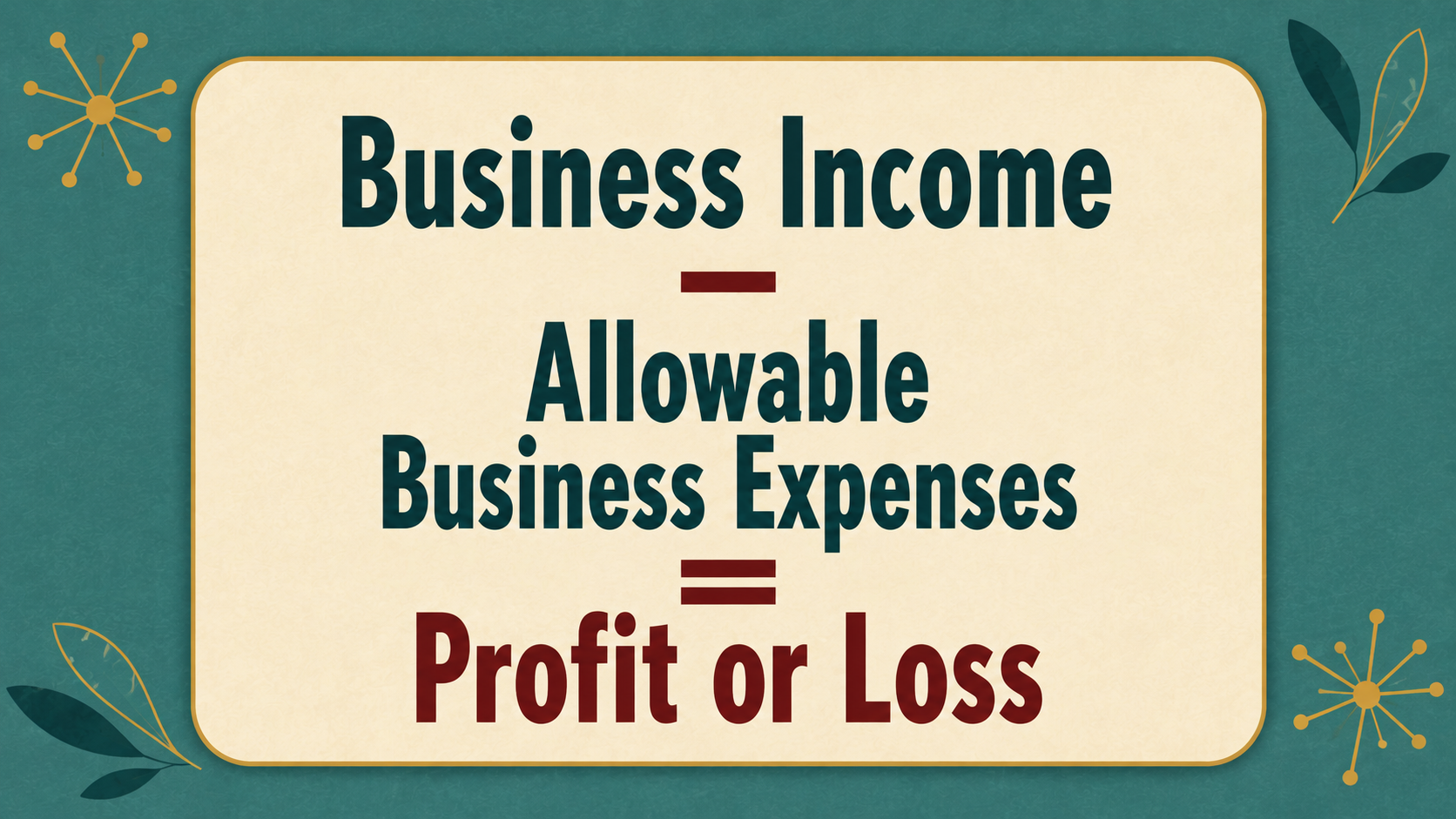
What Happens If My Business Expenses Are More Than My Self-Employment Income?
You started a business, earned some money, and kept track of your expenses. Then you looked at the numbers and discovered something unsettling: Your business expenses were higher than your business income. Now what? First, don’t panic. This does not automatically mean you did something wrong. New businesses commonly spend more than they earn while…
-
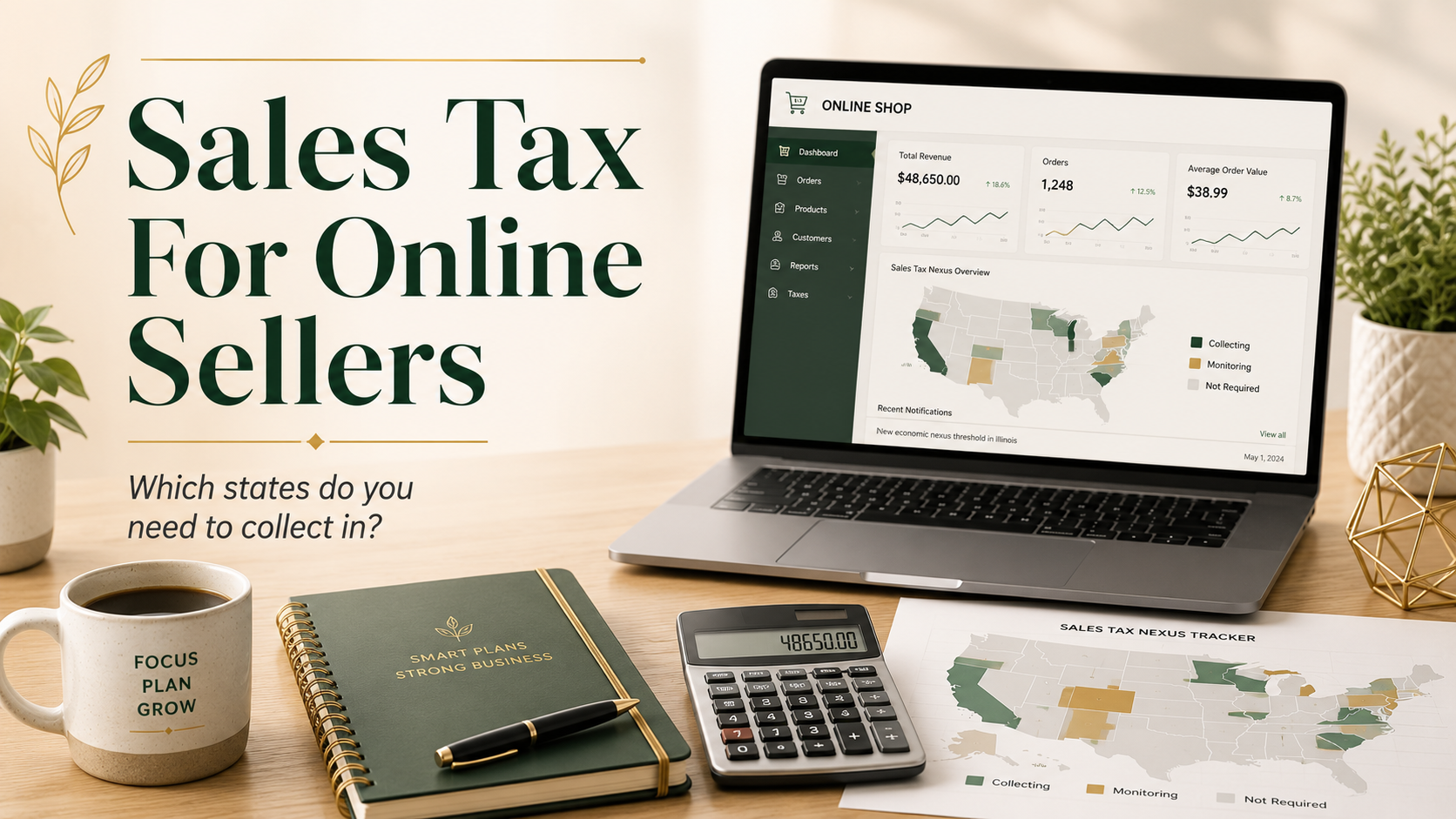
How Do I Know Which State to Collect Sales Tax In?
Sales tax can feel simple at first. You start a business. You sell a product. You collect sales tax in your own state. Easy enough, right? Then your online store grows. Someone buys from Oregon. Then California. Then Texas. Then Florida. Suddenly you are wondering: Do I need to collect sales tax in every state?…
-
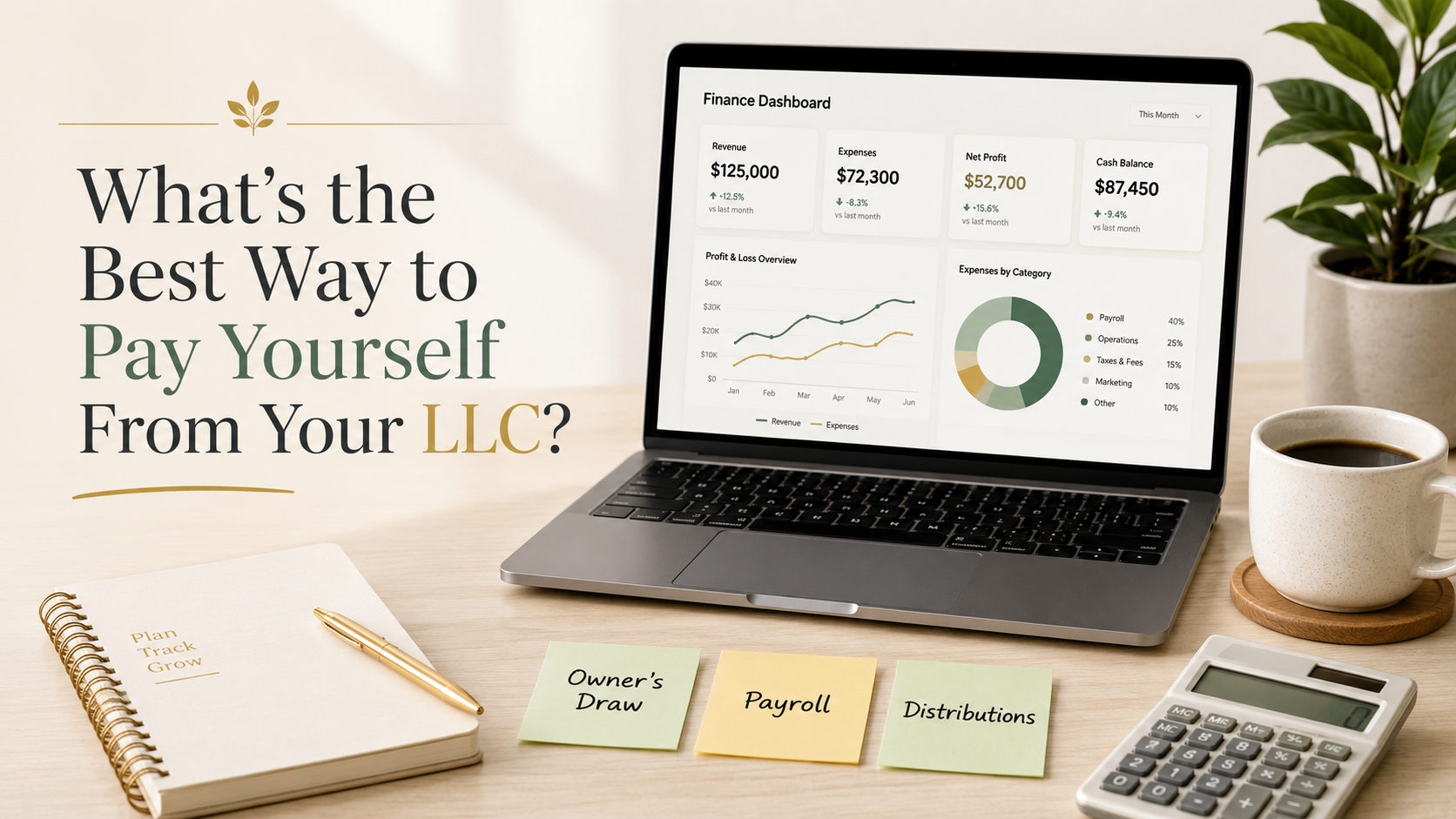
How do you pay yourself from an LLC?
One of the most common questions new business owners ask is: “What’s the best way to pay myself from my LLC?” It sounds like it should have a simple answer. But the real answer is: It depends on how your LLC is taxed. That is where many business owners get confused. An LLC is a…
-

How Do You Start Payroll for a Small Business? (with WA State Details)
Starting payroll for the first time can feel like a big step. You are not just paying someone for their time. You are also setting up a system for taxes, records, payroll reports, and employee information. The good news? Payroll gets much easier when you know what to gather before the first paycheck. If you…
-
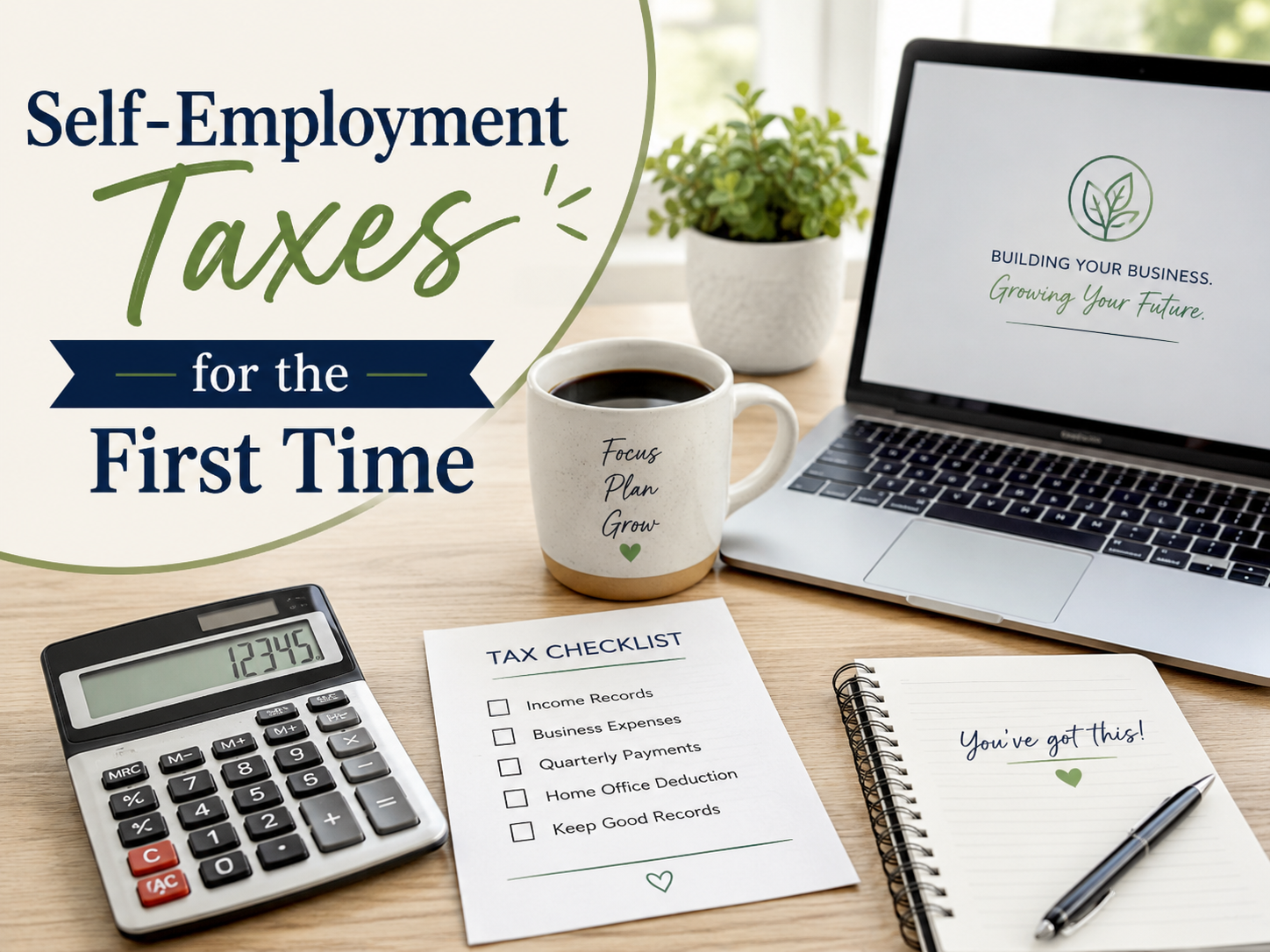
How Do I File Self-Employment Taxes for the First Time?
The simple answer: To file self-employment taxes for the first time, you usually report your business income and expenses on Schedule C, calculate self-employment tax on Schedule SE, and file everything with your personal Form 1040. The exact forms can vary based on your business structure, income, state, and tax situation. If this is your…
-

How to Set Up and Track a Business Line of Credit in QuickBooks Online
What Is a Line of Credit (LOC)? A Line of Credit (LOC) is a revolving loan—meaning you can borrow, repay, and borrow again. It works more like a credit card than a traditional loan: Common examples: Should a Line of Credit Be in QuickBooks Online? Short answer: 👉 Only if it’s tied to the business.…
-
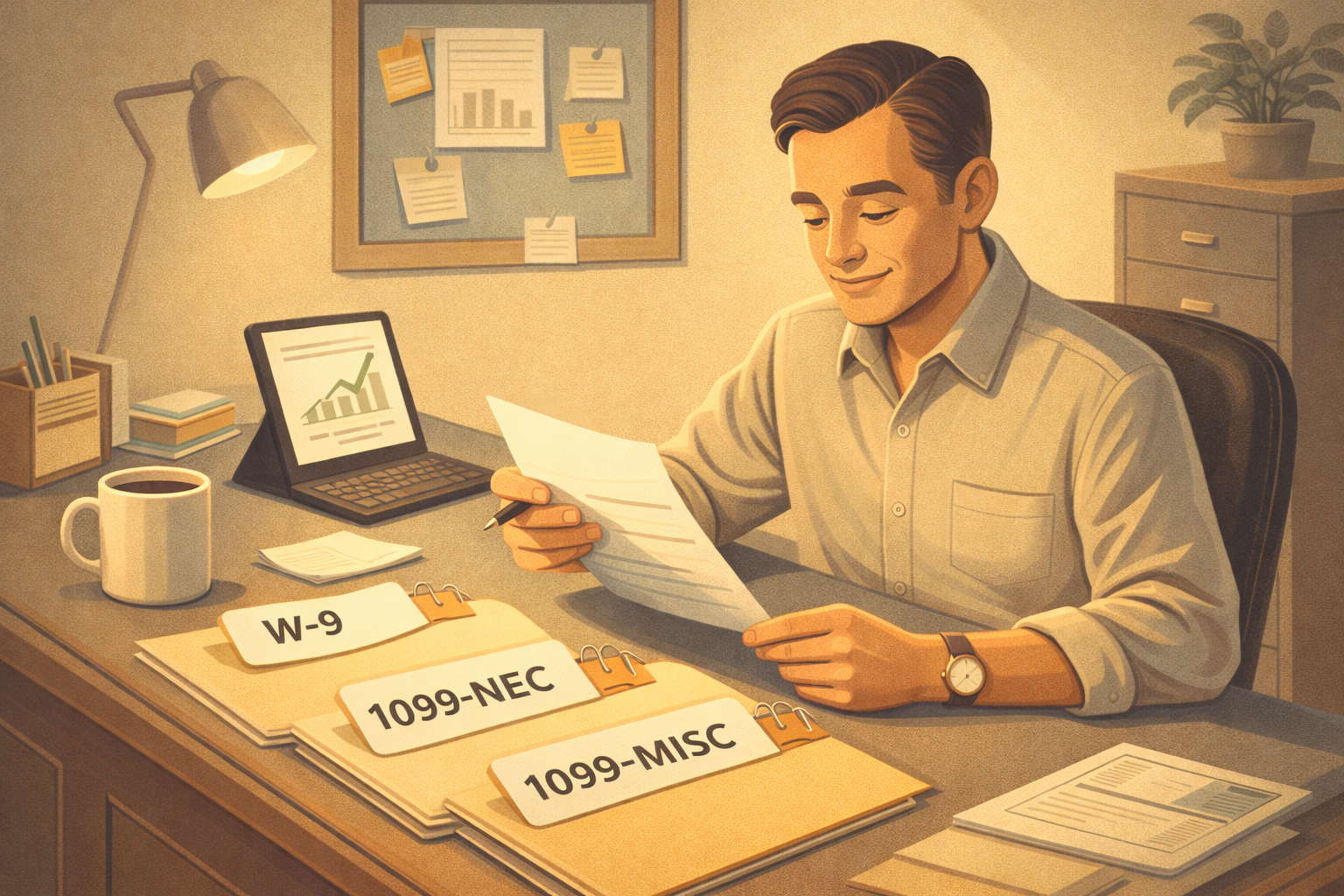
When and How to Create 1099s for Contractors
A Simple Way to Know What Your Business Is Required to Do Here’s the part most business owners don’t hear up front: If you pay vendors by credit card or payment processor, you usually don’t need to worry about 1099s at all. 1099 rules depend on three things, but payment method comes first.Once you start…
-
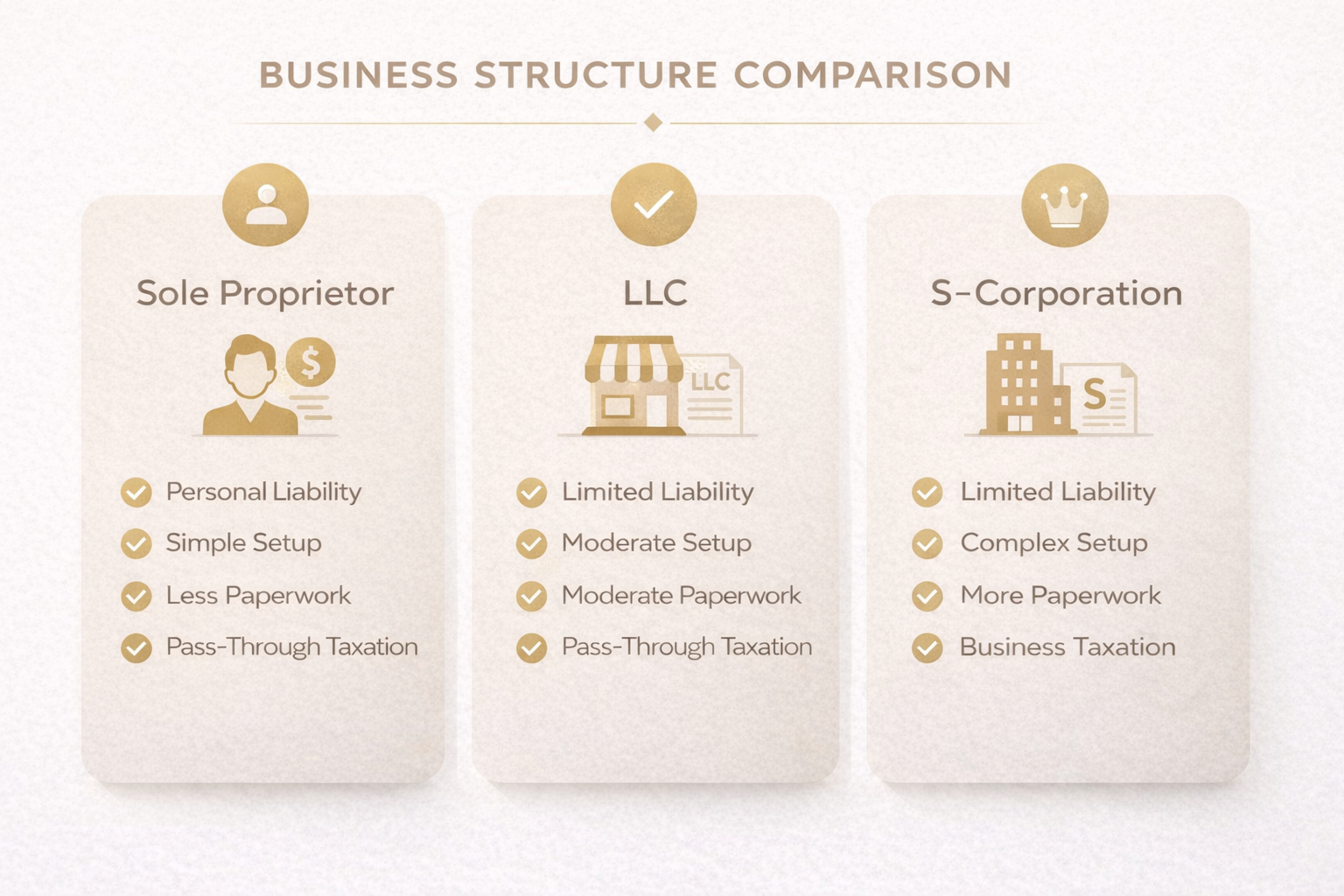
LLC vs S-Corp vs Sole Proprietorship
What Changes, What Doesn’t, and When It Matters If you’re self-employed (or thinking about it), you’ve probably heard all three of these terms: They’re often used interchangeably in conversation — but they are not the same thing. Let’s start simple. The Short Version (Skimmable Summary) Sole Proprietor = You and your business are legally the…
-
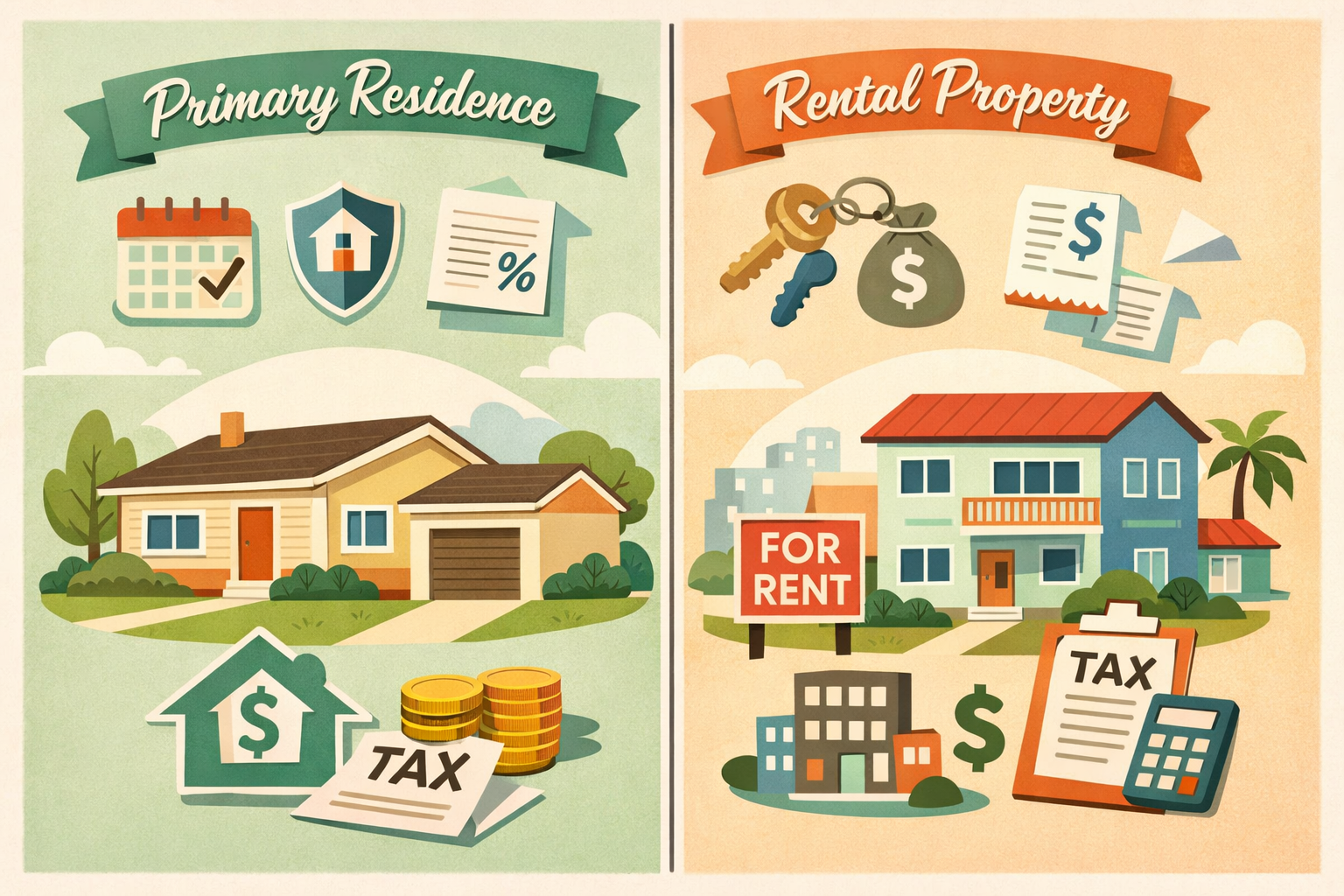
House Depreciation for Taxes and How Can You Use It as A Tax Deduction
If you own property, you’ve probably heard the word depreciation tossed around—especially if rentals are involved. But depreciation doesn’t work the same way for every home, and understanding the difference can save you (or your clients) real money at tax time. Let’s break it down without the tax-code headache. What Is Depreciation (in plain English)?…